Arts & Culture
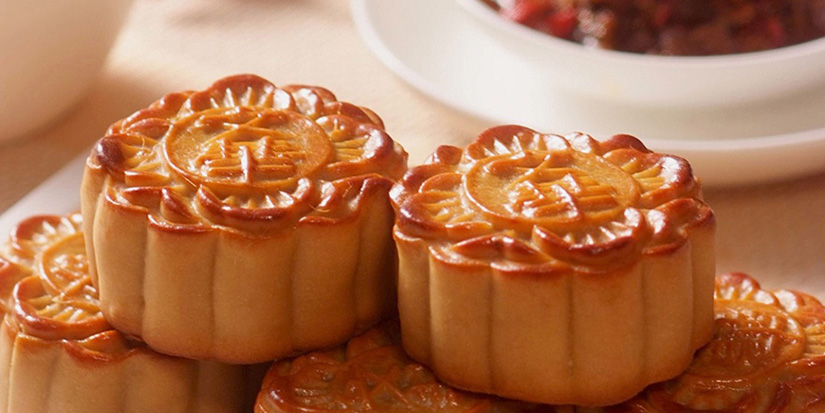
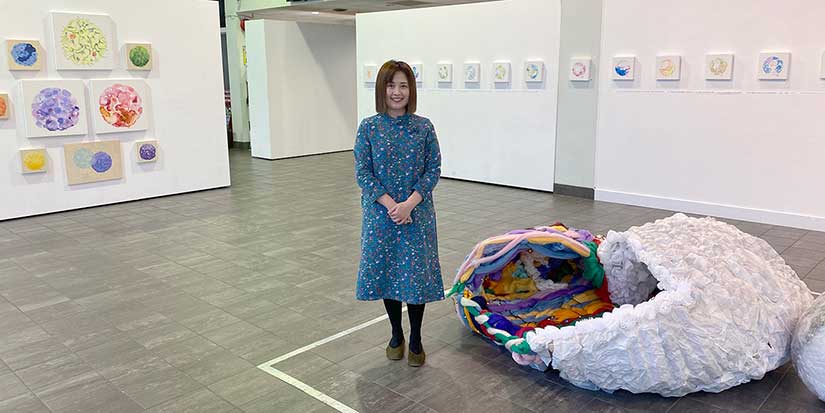
Photo courtesy minchephoto photography
One Moon, Many Celebrations: The Mid-Autumn Festival Across Asia

Published 2:30 PDT, Mon September 21, 2026
Last Updated: 2:12 PDT, Wed September 23, 2026


-
BY BEZ CHAO
The Mid-Autumn Festival, also known as the Moon Festival or Mooncake Festival, is a harvest festival celebrated by many different cultures across Asia, celebrating family reunions, gratitude, and remembrance. The festival is the second most important holiday in Chinese culture after the Lunar New Year. It occurs on the 15th day of the 8th month of the lunisolar calendar and falls between September 7th and October 8th of the Gregorian calendar. According to tradition and cultural belief, the moon during the Mid-Autumn Festival is considered the roundest, brightest, and most beautiful of the year, with the round shape of the moon symbolizing completeness and family unity.
The harvest moon is honoured and celebrated across many other Asian cultures, and while this article focuses primarily on the Chinese Mid-Autumn Festival, we also acknowledge and honour the related cultural traditions observed across East and Southeast Asia.
The origins of the Mid-Autumn Festival can be traced back over 3,000 years to the Shang Dynasty, when ancient Chinese emperors worshipped the moon as a symbol of a bountiful harvest. The festival, as it’s celebrated today, took shape gradually over the centuries, becoming firmly established as a major cultural occasion during the Tang and Song dynasties.
Central to the festival's mythology is the legend of Hou Yi and Chang'e. Although there are different versions of the story, it typically begins with the earth that was once scorched by ten suns burning simultaneously in the sky. Hou Yi, who was a heroic archer, saved humanity by shooting down nine of them, leaving just one to warm the earth. As a reward, he was given an elixir that would carry whoever drank it up to the heavens and grant them immortality. However, Hou Yi was unwilling to drink it and leave his beloved wife Chang’e behind, so he asked her to keep it safe instead. Then one day, when Hou Yi was away from home, his arch nemesis Peng Meng tried to steal the elixir. To keep the elixir out of the villain’s hands, Chang’e drank it herself and was carried up into the sky, where she chose to remain on the moon, reluctant to stray too far from her husband. Hou Yi began offering his wife's favourite foods beneath the full moon each year in her memory, and the people of China followed his example. This annual act of devotion and remembrance is considered one of the founding traditions of the Mid-Autumn Festival.
The festival's most iconic food is the mooncake, which is a dense, round pastry filled with ingredients like lotus seed paste, red bean, nuts, or salted egg yolk. According to legend, during the Yuan Dynasty, when China was under Mongol rule, it is said that rebel leaders used mooncakes to pass secret messages to coordinate an uprising against the occupying force. Today they’re exchanged as gifts among family, friends, and colleagues as a gesture of goodwill and togetherness.
Other traditions include lighting and carrying paper lanterns, as well as performing lion and dragon dances. The festival is also associated with the harvest itself, and seasonal foods like pomelos, crabs, and pumpkins are enjoyed alongside mooncakes.
The Mid-Autumn Festival is not celebrated by Chinese communities alone. Across East and Southeast Asia, many cultures observe their own versions of the harvest moon festival on the same lunar date, each shaped by its own history and traditions.
In Korea, the equivalent celebration is Chuseok (추석), a three-day public holiday often likened to Thanksgiving. As a celebration of the good harvest, families gather to honour their ancestors through a ceremonial offering of food and wine, visit the graves of loved ones, and share songpyeon, which is a small half-moon-shaped rice cake steamed over pine needles.
In Japan, the occasion is observed through Tsukimi (月見), or moon viewing. It is a quieter, more contemplative tradition in which homes are decorated with pampas grass and families share tsukimi dango, a round white rice dumpling, which are offered to the moon. There are even specific terms in Japanese to refer to occasions when the Moon is not visible on the traditional mid-autumn evening, like “mugetsu,” which means “no-moon,” and “ugetsu,” which means “rain-moon.” Even when these weather conditions hide the moon, Tsukimi parties are still held.
In Vietnam, the tradition is known as Tết Trung Thu, which has recently evolved into the Children's Festival. Children look forward to this day because they are often given toys by adults, and take to the streets in colourful lantern processions. Feasts are organized to watch the full moon, mooncakes are exchanged, and lion dances are performed. The occasion carries its own mythology, which includes the tale of Chu Cuoi, a woodsman said to have floated to the moon while clinging to a magical banyan tree.
Further across Southeast Asia, variations of the harvest moon festival are observed in countries including Thailand, Cambodia, and Malaysia, each weaving local customs and beliefs into the shared framework of moon worship, harvest gratitude, and community gathering.
Although each culture celebrates the occasion in its own way, the commonalities running through all these traditions remind us of a deeper, shared human experience. The full moon serves as a symbol of abundance and wholeness. Food is prepared and shared with others in an act of generosity, and in each, the occasion is ultimately about gathering with the people you love, looking up at the same moon, and feeling connected to something larger than yourself.
For the many Canadians of Chinese, Korean, Japanese, Vietnamese, and Southeast Asian heritage who carry these traditions with them, the Mid-Autumn Festival is a meaningful link to culture and memory. For everyone else, it is an invitation to learn, appreciate, and perhaps look up at the moon a little more thoughtfully this September.





























.jpg)


.jpg)

































-825x413.jpg)






2 Hours of free financial consulting
Jai Xin Planning Ltd.
C$120.00 C$0.00

Use any of our home staging service and get a second month rental for free!
MiiX Interiors
C$500.00 C$0.00

Get 10% off any order
Phantom Screens Lower Mainland
C$200.00 C$180.00